


For manufacturers of construction machinery, agricultural vehicles, and special-purpose vehicles, selecting automotive glass involves more than choosing the right dimensions, thickness, and shape.
ECE R43 approval is an important consideration when sourcing safety glazing for vehicles. However, one of the most common misconceptions is that an ECE R43-approved supplier can automatically manufacture any glass configuration under the same approval.
Understanding this distinction can help OEM buyers avoid specification errors, production delays, and homologation issues.
What Is ECE R43?
UN Regulation No. 43 (ECE R43) establishes safety requirements for glazing materials used in vehicles.
Depending on the glazing type and application, the regulation addresses characteristics such as mechanical strength, fragmentation, optical quality, light transmission, and impact behaviour.
Importantly, ECE R43 approval relates to defined glazing types and approved configurations, rather than providing unrestricted approval for every product a manufacturer can produce.
Changes in thickness, glass construction, interlayer, or colour may affect whether a particular product is covered by an existing approval.
Why Glass Specifications Matter
Two automotive glass products may look similar but have different regulatory requirements.
For example, the suitability of tinted glass depends on its intended installation position and the applicable visible light transmission requirements.
Likewise, toughened and laminated glass have different breakage characteristics, making the selection of the appropriate construction essential.
Even when a supplier has ECE R43 approval, the specific glazing configuration and its intended application must be verified.
What Should OEM Buyers Provide?
When requesting a quotation for custom automotive glazing, a complete technical specification helps suppliers assess manufacturing feasibility and approval coverage.
Key information includes:
- Technical drawings and dimensions
- Glass thickness and construction
- Flat or curved geometry
- Colour and light transmission requirements
- Ceramic printing or masking
- Vehicle type and installation position
- Required markings and homologation
- Expected annual quantities
Providing this information early can significantly simplify technical evaluation and quotation.
Watch Our Video
What does ECE R43 actually certify? What do E-mark country codes mean? And how can OEM buyers determine whether their required glazing is covered by an existing approval?
Watch our video for a practical explanation of ECE R43 from an OEM and procurement perspective.
🎥 ECE R43 Explained: What OEM Buyers Actually Need to Know
Have a Custom Automotive Glass Project?
Send us your technical drawings, glass specifications, and homologation requirements for an initial assessment.
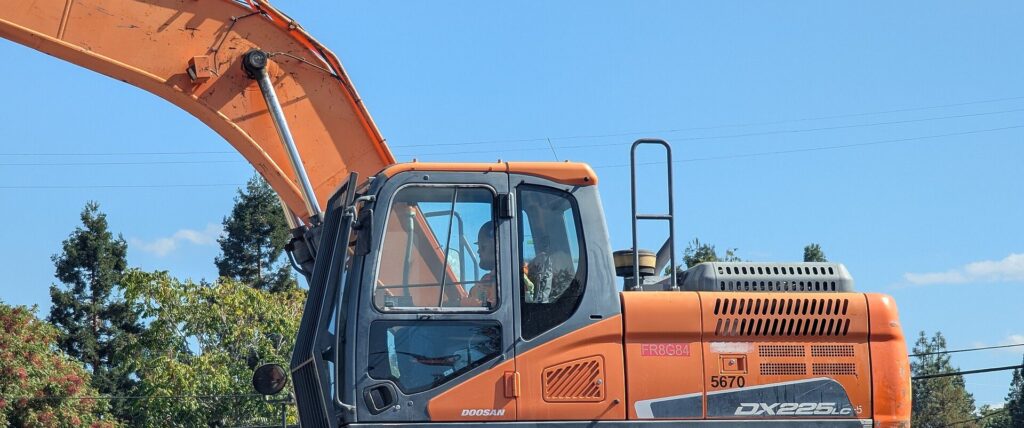
Photo: Grendelkhan, CC BY-SA 4.0, via Wikimedia Commons