


As global construction standards continue to evolve, architectural glass is no longer selected based solely on aesthetics or price. Across Europe and the United States, developers, architects, and facade consultants are asking a more fundamental question:
Is this glass solution energy-efficient, safe, and reliable over the long term?
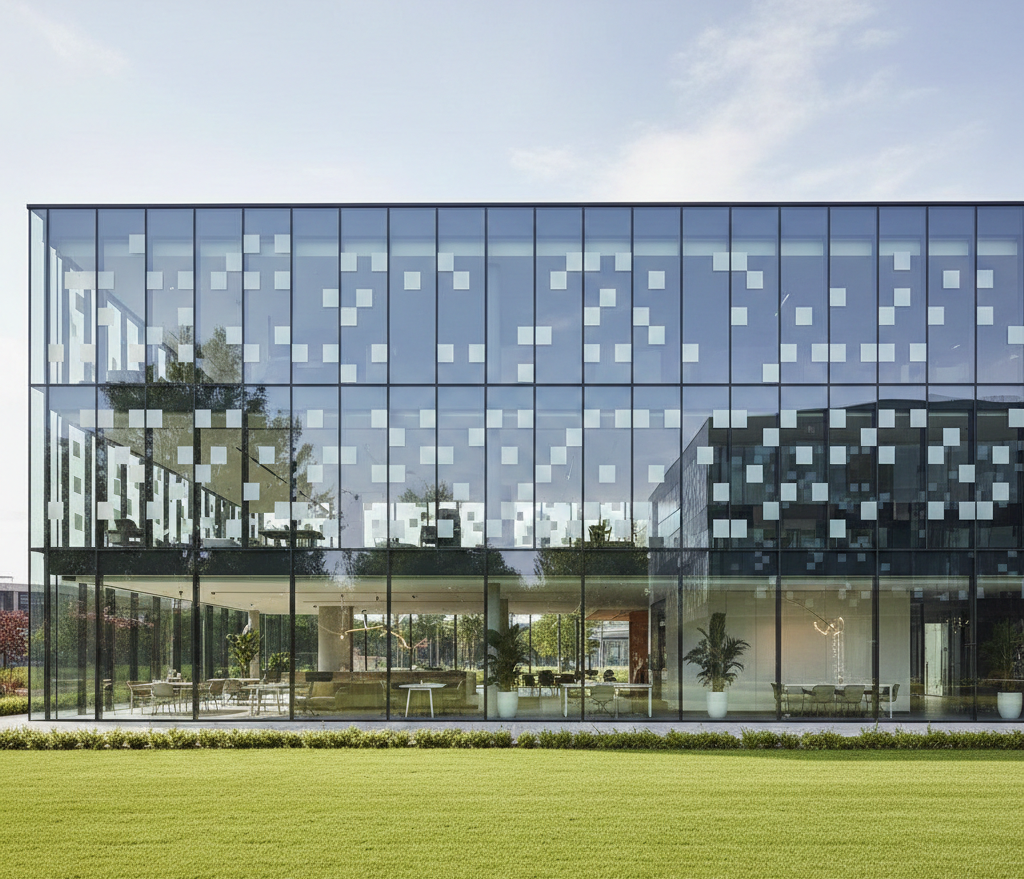
Driven by stricter energy regulations, sustainability targets, and rising performance expectations, Low-E coated glass, laminated safety glass, and IGU (Insulating Glass Unit) systems are now core requirements rather than optional upgrades.
This article outlines the key glass trends which is estimated to shape international projects in 2026 and addresses the most common questions raised by professional buyers.
Why Low-E Glass Is Now a Standard, Not an Upgrade
Low-E (Low Emissivity) glass uses advanced coatings to reflect heat while allowing natural light to pass through. As a result, it delivers measurable benefits:
- Reduced heat loss and improved thermal insulation
- Controlled solar gain and indoor comfort
- Lower HVAC energy consumption
- Compliance with energy-efficiency regulations
In Europe, tightening energy-performance directives increasingly restrict the use of standard float glass. In the U.S., updated energy codes and sustainability-driven developments are accelerating the same shift.
Industry direction:
Projects are moving decisively toward Low-E integrated IGU systems as the baseline specification.
Laminated Glass: Beyond Safety Toward Performance
Laminated glass has evolved from a safety-focused product into a multi-performance architectural solution.
Today, it is widely specified for its ability to provide:
- Impact resistance and post-breakage safety
- Acoustic insulation in urban environments
- UV protection for interior spaces
- Design flexibility for facades, balustrades, and overhead glazing
In many European markets, laminated glass is no longer optional—particularly for public buildings, commercial facades, and ground-level applications.
Why IGU Systems Are Central to Modern Facade Design
An IGU is not a single product but a complete performance system, defined by:
- Glass composition and coatings
- Spacer technology and sealing quality
- Gas filling and moisture control
- Controlled production and testing processes
Because of this, long-term performance depends not only on the glass itself but also on manufacturing discipline and quality assurance.
Well-designed IGUs play a critical role in thermal insulation, condensation control, and overall building longevity.
The Five Most Common Questions from European & U.S. Buyers
In recent project discussions, international clients consistently ask:
- Is the glass compliant with EN, ANSI, and ASTM standards?
- Are tempering and lamination processes traceable and controlled?
- Are IGU sealing integrity and gas-filling tests performed?
- How are packaging and logistics managed to reduce transport risk?
- Can the entire scope be handled through a single, accountable partner?
These questions highlight a clear shift in buyer priorities: confidence, traceability, and reliability now matter as much as cost.
Managing Both Product and Process: The CrystalForge Approach
At CrystalForge, we manage glass solutions as a fully integrated product-and-process responsibility.
Our scope includes:
- Working exclusively with long-established, certified glass processing partners
- Managing glass specifications and performance-driven product selection
- Monitoring tempering, lamination, and IGU production stages
- Conducting quality follow-ups and documentation control
- Overseeing packaging standards and global logistics coordination
By controlling both what is produced and how it reaches the site, we help our clients treat architectural glass not as a risk factor, but as a dependable building component.
What the Right Glass Strategy Will Deliver in 2026
Choosing the correct glass configuration and supply model delivers clear advantages:
- Long-term energy efficiency and regulatory compliance
- Consistent quality through controlled, traceable production
- Faster decision-making with a single expert point of contact
- Reduced coordination effort across international projects
- Greater confidence in global sourcing and execution
Conclusion
As architectural requirements become more demanding, glass selection is no longer a purely technical decision—it is a strategic one. Understanding the role of Low-E coatings, laminated safety glass, and IGU systems is essential for delivering buildings that perform as designed.
At CrystalForge, through leveraging Sisecam’s extensive solar control and Low-E glass portfolio, we deliver tailored solutions for virtually every performance and design requirement. With the right product knowledge and process control, we are ready to support your projects with certified products, transparent processes, and fair-trade values.
👉 Contact us today to explore partnership opportunities.